
Why Your Garage Door Won't Close: Understanding Safety Sensors
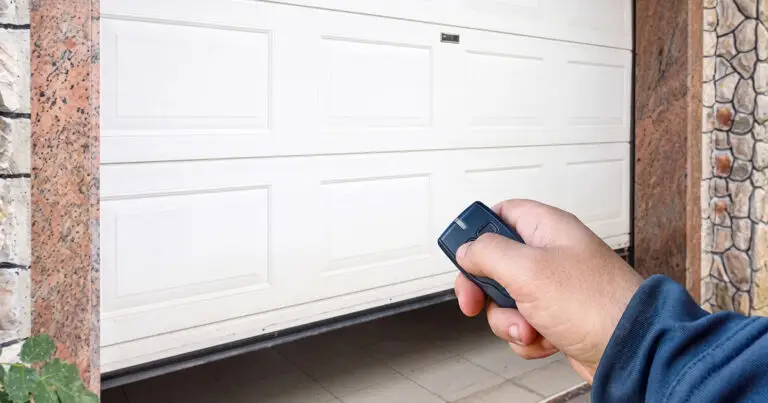
You press the garage door button, and the door starts to close—only to reverse and head right back up. Or maybe it won't move down at all, even though it opens without a problem.
At Mr. Goldie's Garage Doors , this is one of the most common questions we hear from homeowners in Yuba City, Marysville, Sacramento, and surrounding communities. Owner Joshua Cagle says that when a garage door won't close, safety sensors are one of the first things his team checks. And often, the issue is simpler than homeowners expect.
Quick takeaway: Check for objects blocking the doorway and look at the sensor lights near the bottom of the tracks. If the door still won't close, don't bypass its safety features or force it shut. A professional can check the sensors, wiring, door movement, and opener.
What Do Garage Door Safety Sensors Actually Do?
Most modern residential garage door openers use a pair of photo-eye safety sensors near the bottom of the door opening. One sends an invisible beam toward the other. When the beam is blocked or the sensors can't communicate properly, the opener is designed to stop or reverse a closing door.
That protection is particularly important for households with children, pets, and anything that might be left in the path of a moving door.
Four Reasons Your Garage Door Won't Close
1. Sensors Knocked Out of Alignment
A broom, rake, trash can, or foot can bump a sensor bracket. If the two sensors no longer face each other, the opener may refuse to close the door.
2. Something Blocks the Beam
Stored items, debris, or another obstruction near the floor can interrupt the sensors. Check the area without standing under the door.
3. Damaged Sensor Wiring
Wires can get pulled loose or damaged by items stored alongside the tracks. Joshua checks sensor indicator lights to help distinguish alignment issues from a lack of power or a wiring problem.
4. Door Binding or Opener Trouble
Not every reversal is a sensor problem. A door that binds along its tracks—or an opener with a travel, force-detection, or internal component issue—may also reverse for safety.
What We See on Service Calls
Joshua says the team receives calls about misaligned sensors frequently—sometimes half a dozen in a week. One recent call involved an older homeowner who had spent about an hour trying to straighten his sensors, but the door still wouldn't close.
When Mr. Goldie's arrived, the issue was clear: both sensors were badly out of alignment. The team adjusted them and tested the door's operation.
It's a good example of why even a seemingly small garage door problem can be frustrating without experience. Joshua often tries to walk customers through simple sensor checks by phone, but sometimes an in-person visit is the easiest way to pinpoint the issue.
From Joshua's field experience: Brooms, shovels, and rakes frequently get stored in the corners near the sensor brackets. Those everyday items are a surprisingly common reason sensors are knocked out of position.
What Can You Safely Check Before Calling?
If your garage door won't close, there are a few non-invasive checks you can make without taking anything apart:
- Look for obstructions. Make sure nothing is in the doorway or directly in front of the sensor lenses.
- Examine the indicator lights. Blinking or unlit indicators may help identify a problem, although light patterns vary by opener brand and model.
- Check whether the sensors look crooked. If a bracket was bumped, you may be able to see that one sensor isn't facing the other. Follow your manufacturer's instructions for any permitted basic adjustment.
- Notice how the door behaves. Does it start down and reverse, or does it refuse to move downward at all? That detail can help a technician diagnose the issue.
Safety first: Keep people and pets clear of the door. Never move the sensors higher to bypass their intended function, disconnect safety wiring, override the opener, or attempt track, spring, or cable repairs. If a door is crooked, damaged, or behaving unpredictably, stop using it and call a professional.
If the issue continues, Mr. Goldie's offers residential garage door repairs and can check whether the cause is sensor alignment, wiring, the opener, or the door itself.
How Mr. Goldie's Diagnoses a Door That Won't Close
Joshua's process starts with observing what the door does and what the sensor lights indicate. Different opener models use different light patterns, so the goal is to identify whether the sensors are misaligned, a sensor isn't receiving power, or another part of the system is causing the problem.
When alignment is the issue, the team adjusts the sensors and runs the door through multiple operating cycles to confirm they communicate properly. When the sensors are functioning but the door still reverses, they investigate possible binding, travel settings, or opener component problems.
Sometimes a simple adjustment is enough. If that's the only issue, Joshua says they generally charge a modest service fee for the visit rather than recommending parts the customer doesn't need. Mr. Goldie's also provides free assessments and discusses the options before beginning approved repairs.
Why You Should Never Bypass Garage Door Safety Sensors
Joshua has seen homeowners relocate their sensors up and out of the way so they won't get bumped. That defeats the purpose of the safety system and can create a dangerous situation, especially for children and pets.
If your sensors keep getting hit, the answer is to address their positioning and what's stored nearby—not to defeat the safety feature. A technician can inspect the installation and recommend a safe solution.
And if you're planning a new opener, Mr. Goldie's installs LiftMaster and Chamberlain garage door openers and can explain the available safety and convenience features.
Frequently Asked Questions
Why does my garage door go down and then come back up?
It may be detecting a blocked or misaligned safety sensor, encountering resistance as it closes, or experiencing an opener problem. A technician can identify the actual cause rather than guessing.
Why is one garage door sensor light blinking?
Depending on the brand and model, a blinking light can indicate misalignment or a sensor communication problem. Check the manufacturer's guidance for your opener; different systems use different indicator patterns.
Can I fix garage door sensor alignment myself?
Some basic checks and manufacturer-approved adjustments are appropriate for homeowners. Keep clear of moving parts, never bypass the sensors, and call a qualified technician if the problem persists.
Is a garage door that won't close always a sensor problem?
No. Sensors are a frequent cause, but binding tracks, door damage, opener travel settings, or failing opener components can also prevent normal closing.
Does Mr. Goldie's service garage door sensors in Yuba City?
Yes. Mr. Goldie's Garage Doors provides residential garage door and opener service in Yuba City, Marysville, Sacramento, and surrounding Northern California communities.
Garage Door Still Won't Close?
Mr. Goldie's Garage Doors can help you figure out what's wrong without unnecessary repairs. We offer free assessments and clear written estimates before approved work begins.
Call (530) 312-5180 to schedule residential garage door service in Yuba City and surrounding areas.
CONTACT US TODAY